(Post 35) planning - Rehearsal footage
PLANNING: REHERSAL FOOTAGE
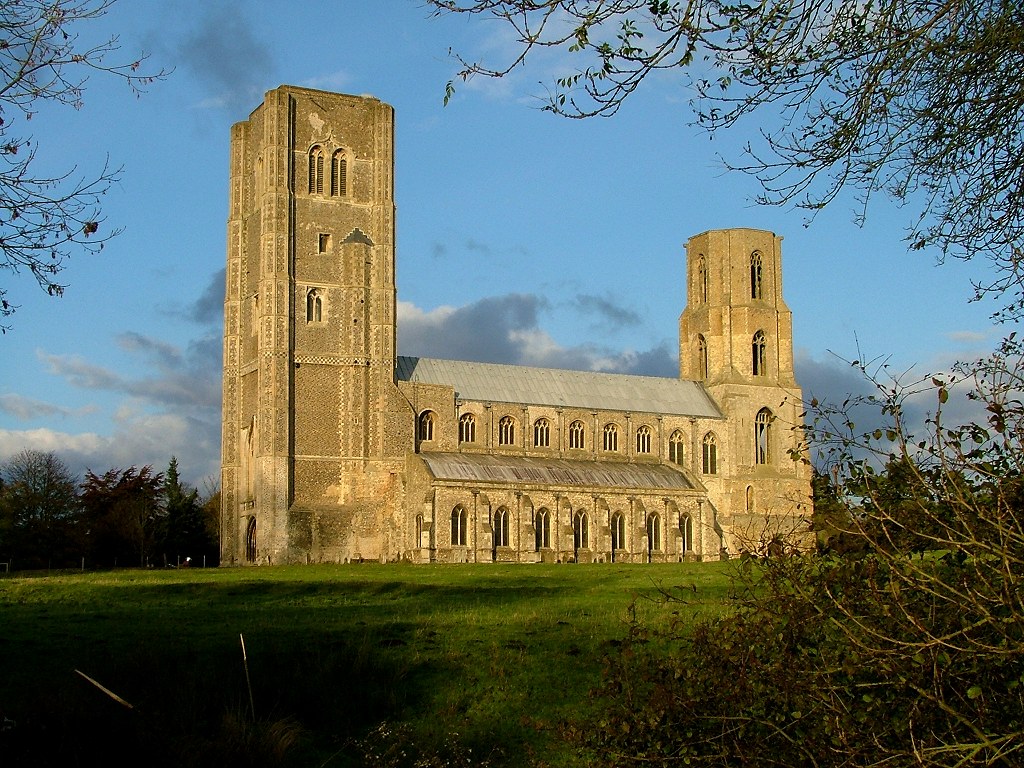 As part of our planning and practice for our real coursework, we decided to go and record some rehearsal of footage for our coursework. The idea is to get an idea of the kind of shots worked and didn't work. So we went and filmed a few clips of us going on a walk at a local church in Wymondham called the Abbey. The objective of this exercise was to practice how to get the best shots that could be used in the real coursework later on, so we are more prepared and can complete it in a smoother fashion. We also learnt a lot from it as we had some problems with the practical side. When we were filming, we brought two phones to record footage but within the first 10 minutes it died, so we learnt for our actual coursework to make sure all cameras are fully charged before we leave, as although this is simple it is something that can insure our actual filming day goes without any issues. The second phones camera smashed, so we had to record all the footage on the front camera which made getting certain shots far more difficult than it should have been; so before we go to film the final video we will check all the camera beforehand to again avoid such a simple issue. Other than that; filming went smoothly and we managed to get enough footage to make a short practice video that has a similar idea to what the final music video will look like. Overall the task was very beneficial to us as it allowed us to be better prepared for filming our final coursework and get a clearer idea of the kind of shots we would like to get and the best way into which to film them. In post production we decided that we did not have enough footage to make a music video, so we put a poem by Wilfred Owen called Anthem for the Doomed Youth over the footage. This then adds to the video as we were filming in a grave yard, so the contrast between us having fun in the footage and the serious tone of the audio makes the video have an eerie effect.
 The end result:


Comments
Post a Comment